
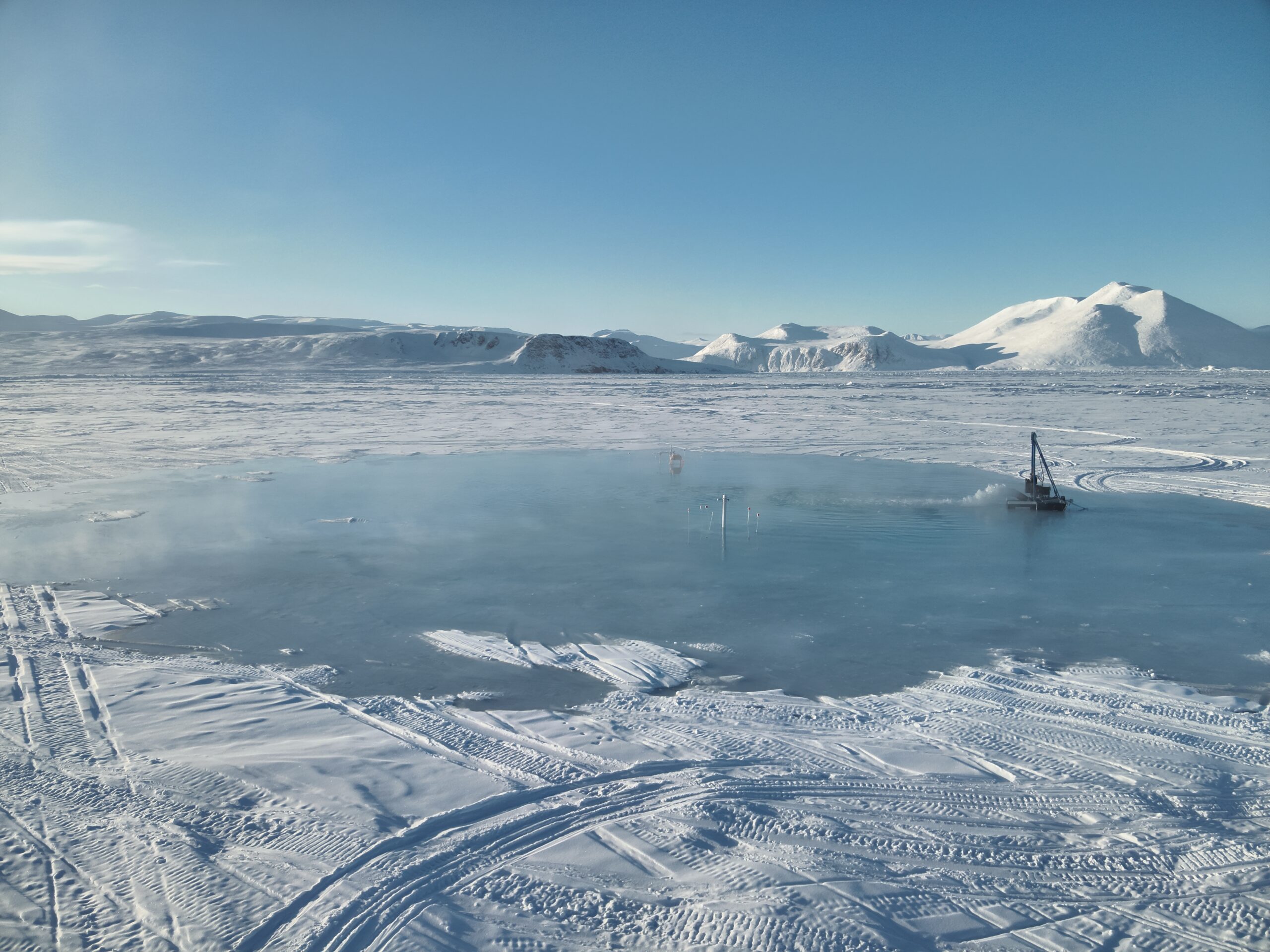

In 2027, we will test our very first fully electric icemaker. We’re building our icemakers from scratch, so every field test offers us a chance to learn and improve our design. Our field test in Qikiqtarjuaq earlier this year taught us a great deal and gave us valuable data on how we can improve our ice-thickening equipment. Since returning, we have been unravelling all the measurement data and re-engineering our icemakers.
Putting electric pumps to the test
The pumps, mounted on platforms, draw seawater from beneath the ice and pump it onto the existing surface. This water then freezes, thickening the existing ice so it lasts longer. Although the idea is simple, making it work in the harsh high Arctic conditions can be challenging.
We also want to ensure that our operations disturb the environment as little as possible, so we have been keen to work with an electric pump, which is far quieter. But can these pumps survive the extreme cold of the high Arctic? To find out, our engineering team in Canada, Rob Pritchett and Soroosh Afzali, have been testing our very first electric pump and its batteries in a cold room, at temperatures as low as -25°C.
“Our tests showed that the batteries performed reliably in cold conditions and maintained stable operation even after exposure to temperatures as low as -25°C. The built-in heating system was particularly encouraging, keeping the batteries warm for more than three days,” explains Soroosh.
These pumps have to work very hard, and their engineering is pushed to the limit by the extreme temperatures. During the field test earlier this year, some parts of the existing pumps succumbed to the harsh conditions, and we identified other areas where the engineering could be further improved. The repairs we made during the field test also showed us where the design made maintenance unnecessarily awkward. For instance, we needed a safe place to stand while checking or refuelling the pump. As a result, Rob and Soroosh redesigned the platform so that:
- There’s a safe standing area
- The frames are more stable
- The control box for the icemaker, which was at risk of getting wet, is now mounted higher and is watertight
Our tests showed that the batteries performed reliably in cold conditions and maintained stable operation even after exposure to temperatures as low as -25°C.
Soroosh Afzali, Lead Engineer
“The cold also caused problems with the engines’ carburettors, which interrupted our pumping. We’re working on ways to solve this while reducing our carbon footprint, and the electric pump could be a step in this direction,” explains Claudia Ardura, Project Manager at Arctic Reflections.
Towards autonomous operations and spending less time in the cold
The field test in 2027 will also mark our next step towards operating our pumps remotely. Our first step was a remote-controlled system that lifted the pump from the hole. The electric icemaker can be started and stopped remotely, while the other pumps will have a remote stop but will still need to be started by hand. These small steps towards automation bring us closer to our long-term aim of a fully autonomous operation, reducing the time people need to spend working in the extreme cold.
Above all, our aim is to thicken our target area of ice as effectively as possible, take the measurements we need and build more sustainable designs while keeping our impact on the environment and its wildlife to a minimum.
Claudia Ardura, Project Manager
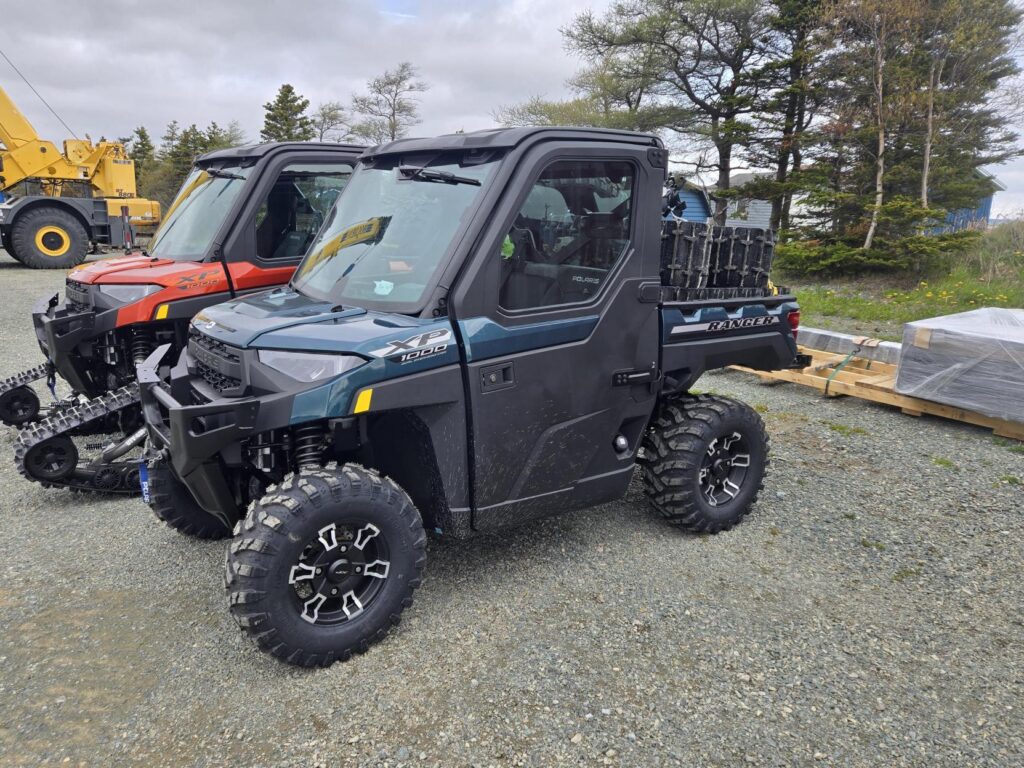
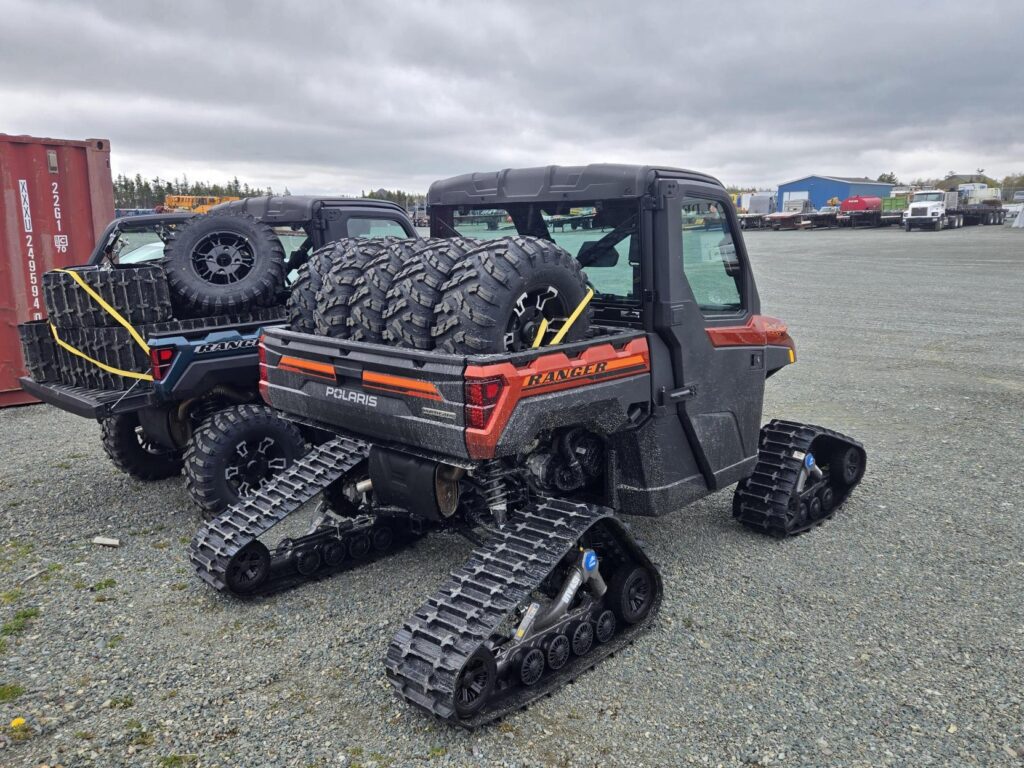
We are also changing how the icemakers are moved. During our most recent field test, in 2026, they were towed by a snowmobile. For the next test, however, we will tow the electric icemaker with a side-by-side utility vehicle, which gives the driver more protection and can pull the extra weight of the heavier electric icemaker and its batteries. We will also test utility vehicles on both wheels and tracks to see which works best on the ice. This will allow us to compare the different traction systems – particularly on ridged ice – as we develop the next version of our mobility set-up.
With these developments, we are aiming for:
“Above all, our aim is to thicken our target area of ice as effectively as possible, take the measurements we need and build more sustainable designs while keeping our impact on the environment and its wildlife to a minimum,” concludes Claudia.
In November, a few of our colleagues will head out to Qikiqtarjuaq to assemble and test the new electric icemaker in anticipation of our field test in 2027. Stay tuned for updates from the field!