
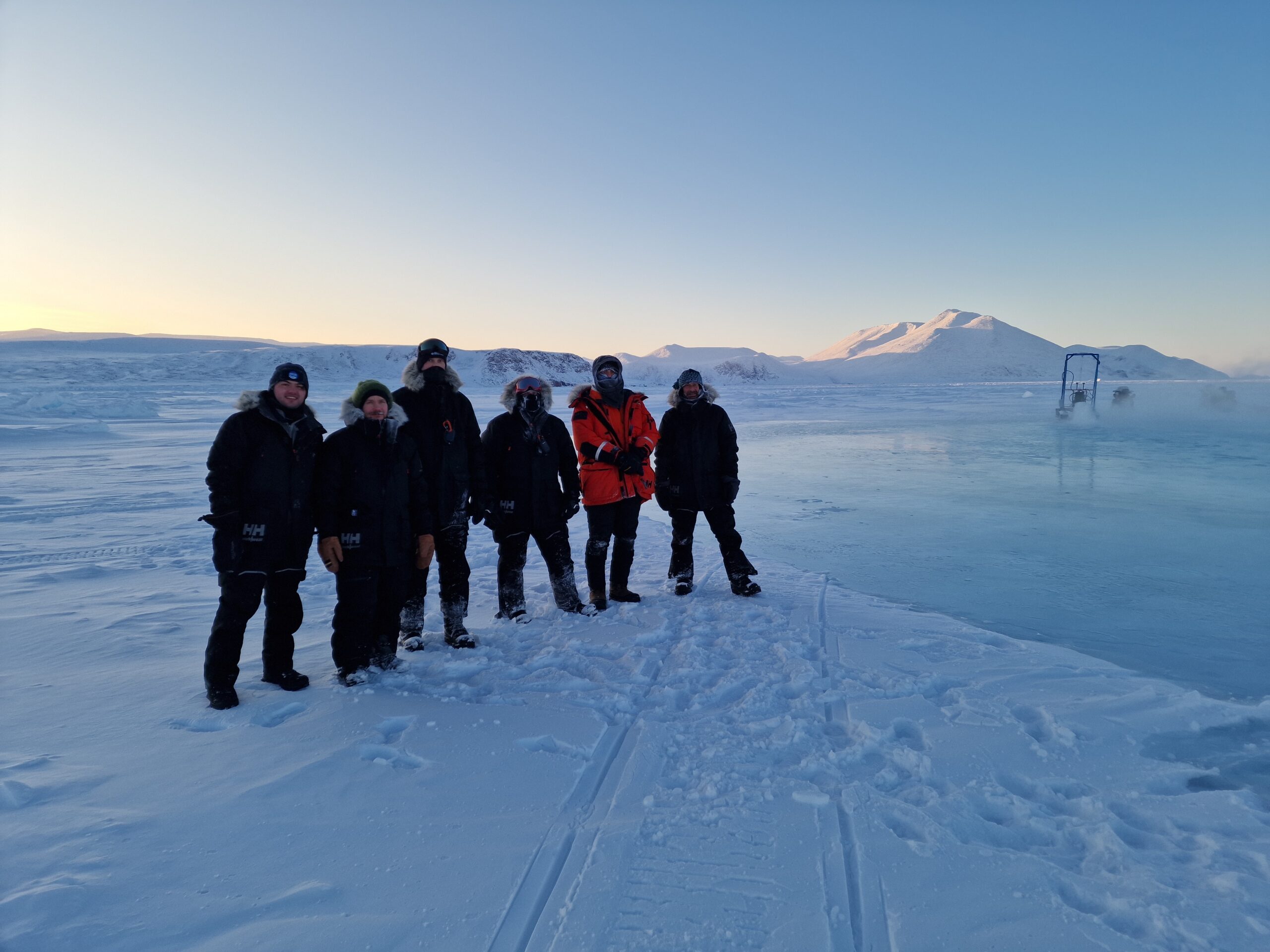
Arctic sea ice restoration
Arctic Reflections is a Dutch-Canadian organisation with the mission to restore Arctic sea ice by developing and validating practical, scalable solutions together with local communities and science.
With much of the country below sea level, the Netherlands has always lived and thrived with water. For centuries, Dutch ice-masters, or ijsmeesters, have flooded outdoor skating rinks. Now, as the Arctic sea ice thins in a warming climate and we risk losing a vital reflectivity shield, we are asking whether this thickening method could help slow its loss.
The idea has been proposed before. But is it feasible?
Answering this question demands rigorous science, a careful stage-gated approach to field testing, and collaboration with communities that have lived on this ice for generations. Together with these communities and with researchers based in the Netherlands, Canada and beyond, we are developing the science and engineering needed to restore an area of sea ice approximately the size of the Benelux – the area of sea ice lost each year to global warming.
This task requires large-scale, long-term investment and decisive execution. Arctic Reflections’ organisational model is designed to evolve with the science and over time to serve this mission. As a social, impact-driven project, our goal is simple: to determine whether restoring Arctic sea ice by accelerating natural freezing processes could be a safe, effective, and scalable way to protect one of the planet’s most important climate systems.
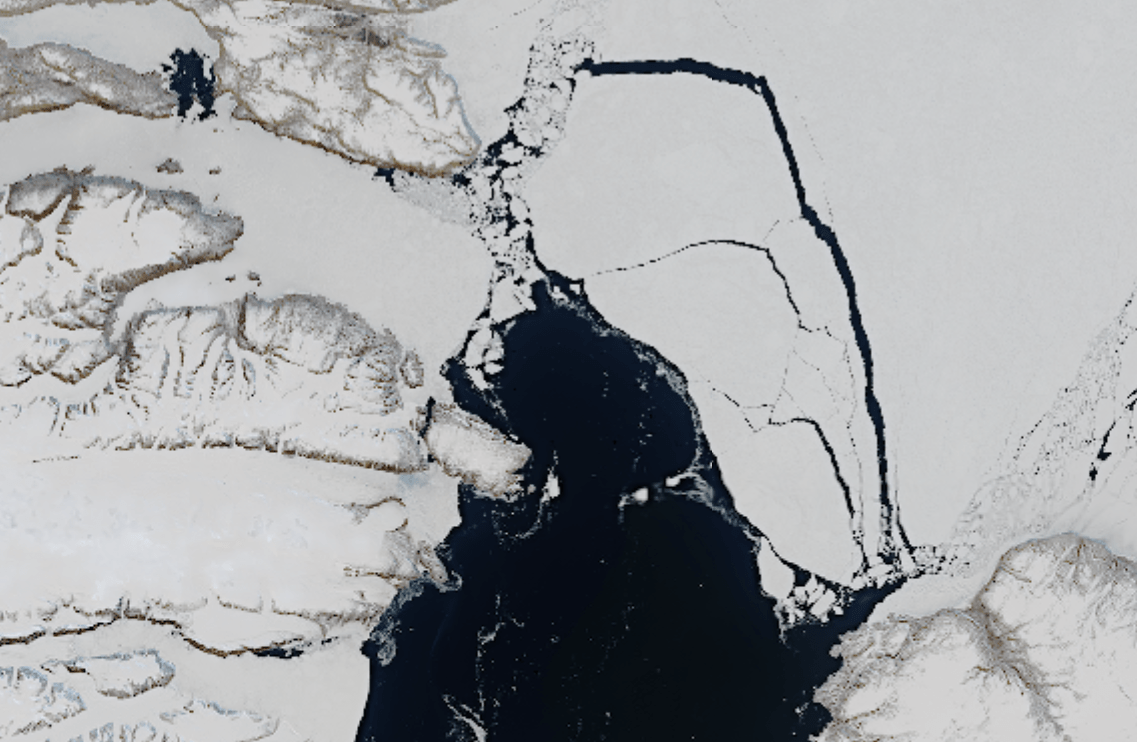
Engineering with nature
The Netherlands, home to Arctic Reflections, has a long history of working with nature. We build on this tradition by researching climate interventions that work with natural processes, particularly those that have been weakened by the climate crisis.