
Testing targeted ice-thickening methods in the Arctic to combat global warming
Global warming has reduced the Arctic sea ice volume already by 75% over the last 40 years, and even in the most optimistic carbon emissions reduction scenarios, the Arctic sea is expected to experience ice-free summers as early as the thirties. This threatens to accelerate climate change through a series of devastating feedbacks, as the Arctic sea ice functions as the Earth’s natural refrigerator, reflecting the sun’s heat back into space.
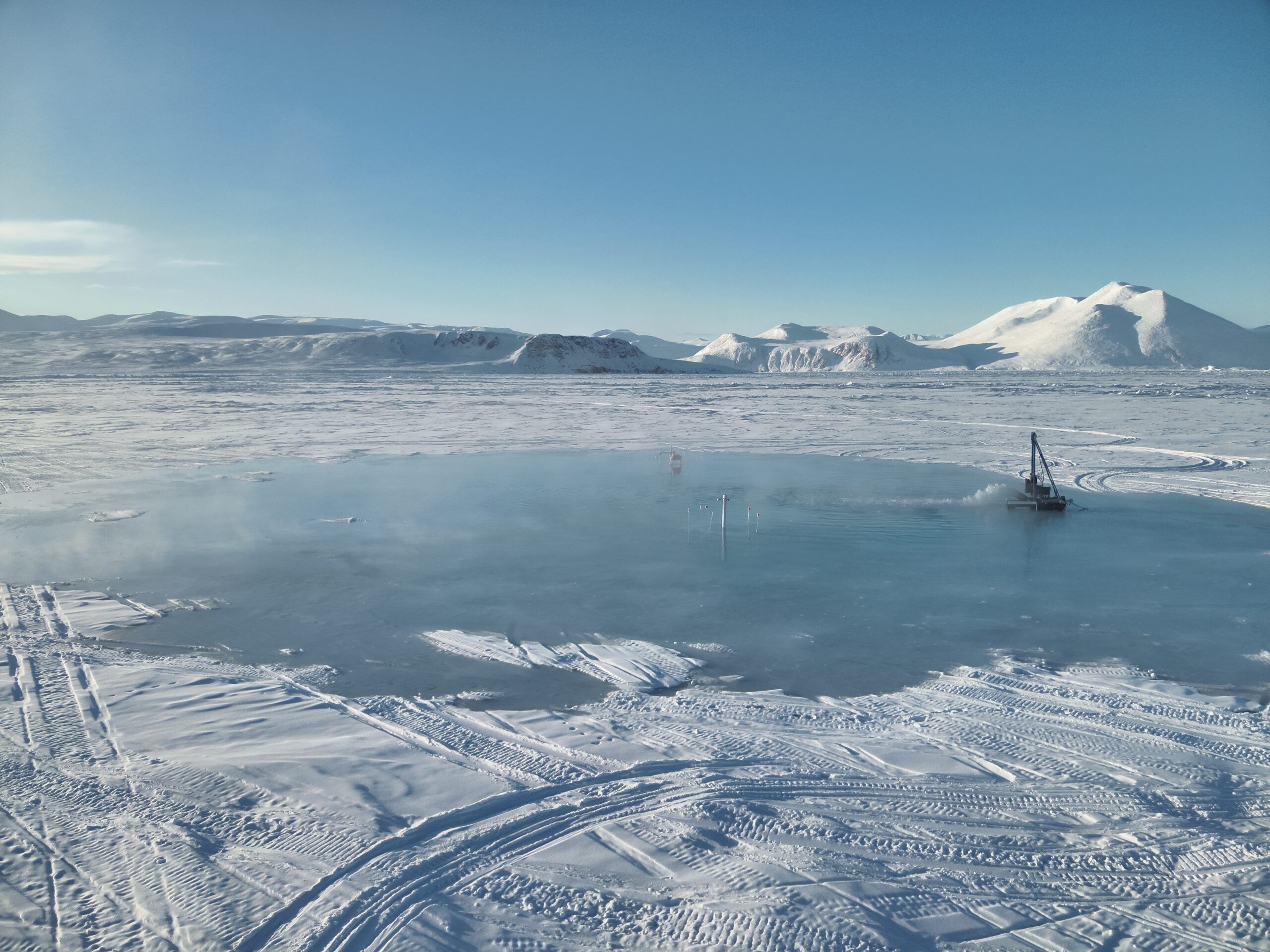
Our research team is in a race against time to test and develop methods to restore the Arctic’s protective ice shield by thickening the winter sea ice. We are testing a technique that involves pumping seawater onto existing ice in strategically chosen locations across the Arctic, so that the thicker, more resilient ice can withstand the summer melt and reflect the sun’s heat for longer.
Latest News
-
·
Gearing up for 2027 with our first electric icemaker
In 2027, we will test our very first fully electric icemaker. Every field test offers us a chance to learn and improve our design. Our field test in Qikiqtarjuaq earlier this year taught us a great deal and gave us valuable data on how we can improve our ice-thickening equipment. Since returning, we have been…
-

·
Arctic Reflections at Climate Week NYC 2026
As global temperatures rise, the ocean is changing faster than almost any other system on Earth and receiving far less attention than it deserves. Climate week NYC, which runs from 20 to 27 September, connects governments, businesses, scientists, civil society around ideas for building a low-carbon economy and a more secure future. This year, Arctic…
-
·
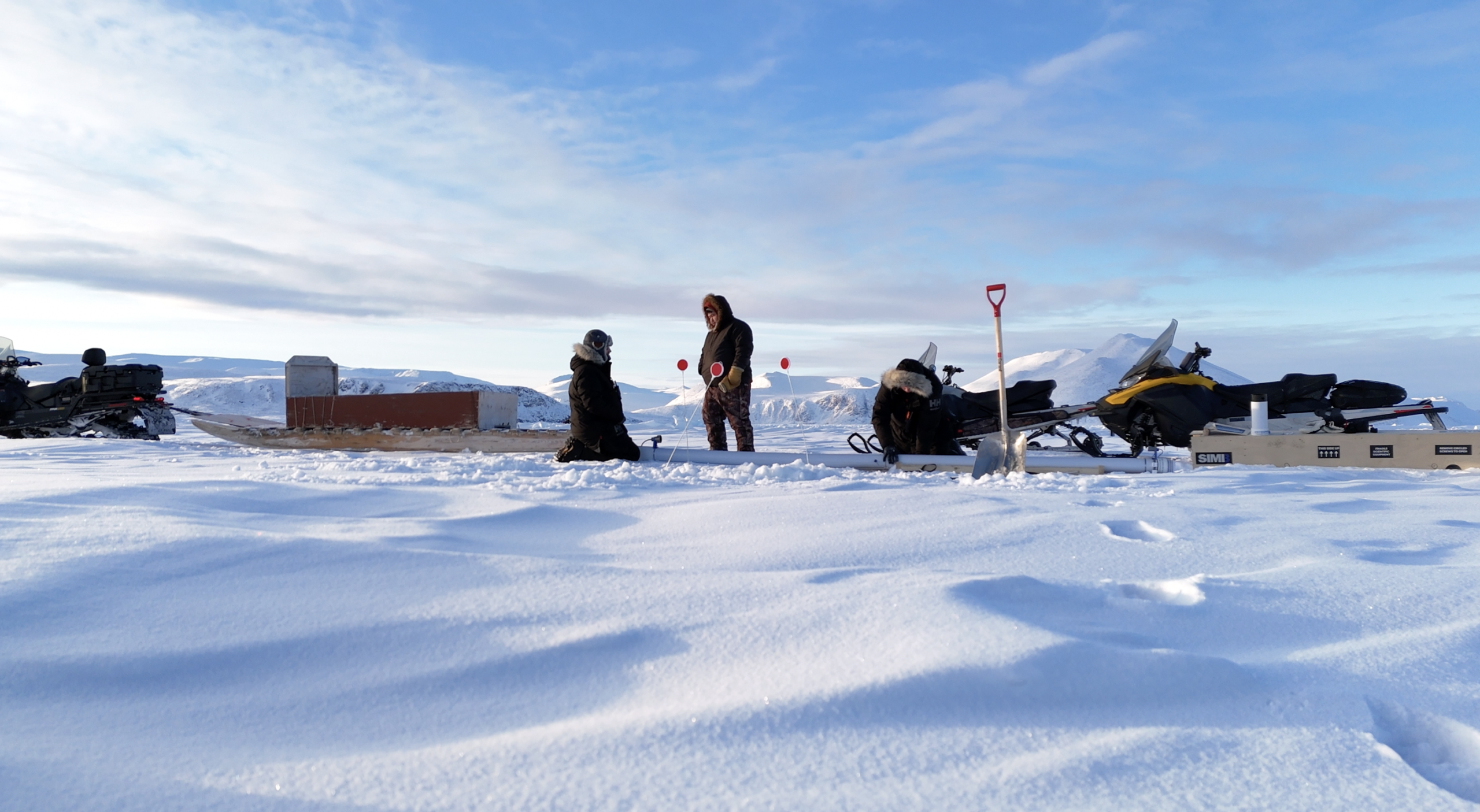
From readings to results
Wytse Petrie, data analyst at Arctic Reflections, was part of the crew for the third field test in Qikiqtarjuaq. Since returning from the field, he has been transforming the measurements we collected in Qikiqtarjuaq and remotely, into information we can analyse and share. In this article, Wytse writes about the journey the data makes from…
Our Story: from the field
“Restoring Arctic ice cannot replace the urgently needed reduction of carbon emissions. But, it is a crucial measure to avert the devastating feedback loops that come with Arctic sea ice loss.”
Fonger Ypma– Founder, Arctic Reflections
Get in touch
Don’t hesitate to reach out and ask questions, share ideas, or explore collaborations with the Arctic Reflections team. We’d love to hear from you and connect!