

At first glance, asteroids, comets and the Arctic may appear to have little in common. However, they are not as different as they might appear. In this blog, Samuele Zannoni, our new engineering intern, writes about exploring these commonalities through his work at Arctic Reflections.
I graduated in Space Engineering at Politecnico di Milano last year, and while researching the robotic exploration of asteroids and comets, also called small Solar System bodies, I realized that the technology used by these robots can also be applied to move in extreme environments on Earth. The Arctic is one of them. Now, at Arctic Reflections, I am working on developing a pumping platform that will move autonomously on the Arctic sea ice in the future. This innovative system would allow for substantially scaling up of the ice thickening operations and represent a fundamental stepping-stone towards mitigating global warming.
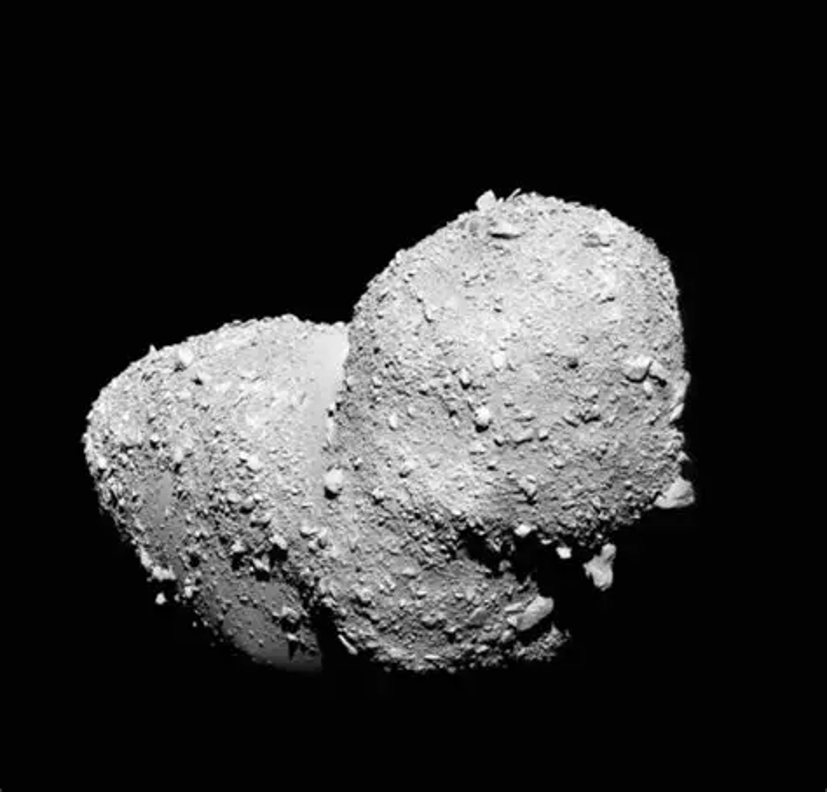
For my thesis, I mainly focused on the mobility and anchoring strategies of robots widely used in space exploration, called rovers. These mobile robots can employ several strategies to move, such as wheels, legs, and less conventional methods like hopping pistons. However, the extremely low surface gravity and the harsh terrain – rich in ridges and fractures – make moving on these celestial bodies (image below) extremely challenging. Moreover, due to the significant distance of asteroids and comets from our planet, these rovers must explore the small body in complete autonomy.
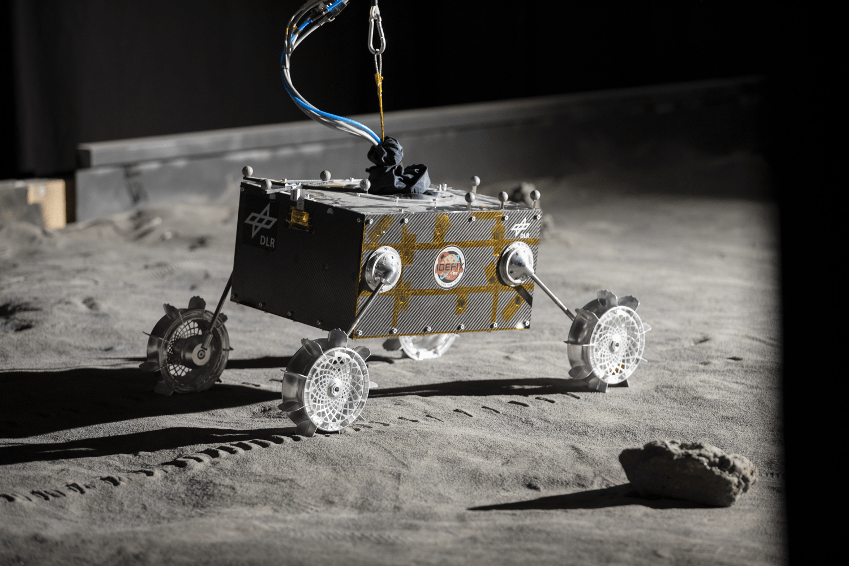
(The IDEFIX rover will explore Mars’ moon Phobos in late 2026. Credit: DLR)
From Space to the Arctic
It was while I was exploring the extremely complex, yet capable platforms used by space rovers that I realised that their technology could also be applied to movement in the Arctic environment on Earth. To accomplish this goal, I am currently researching existing mobility and autonomy solutions that could be employed in our design.
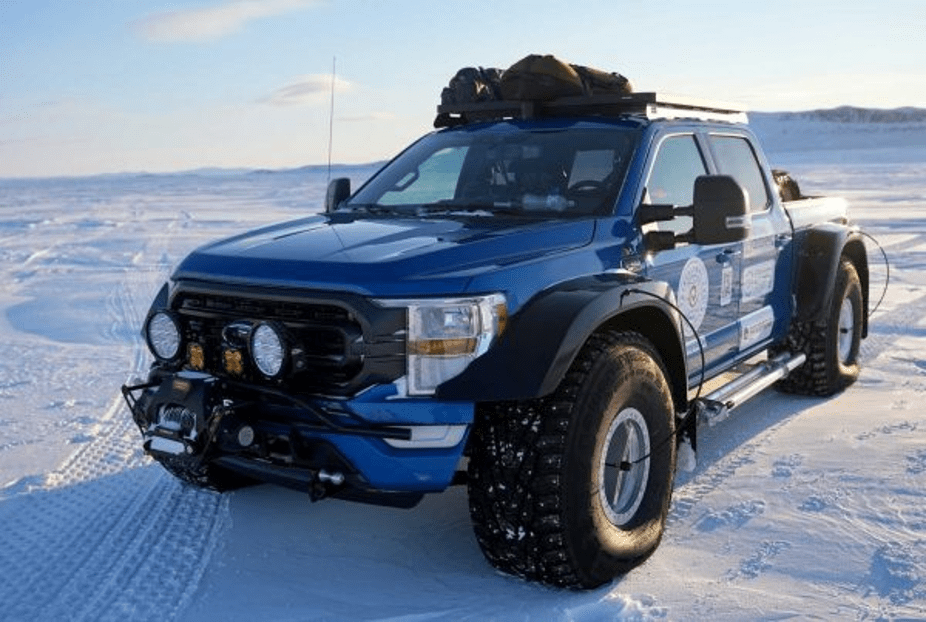
A key challenge for Arctic Reflections is powering the pumping operations as sustainably and silently as possible. To meet this demand, the future pumping process will be powered by an electric battery, expected to add significant weight to the platform. As a result, a powerful vehicle will be needed to move such a platform. Several vehicles could meet these requirements, ranging from modified road trucks used in Iceland, to special amphibious vehicles employed by ice road construction workers and rescue missions in Canada. The photo below shows a specialized truck for snow and ice mobility used in Iceland.
However, navigating these vehicles autonomously in extreme Arctic conditions is a real challenge. In the Arctic, blowing snow may limit sensor perception capabilities, and ‘negative’ obstacles, such as crevasses and open water, may be more difficult to detect than ‘positive’ features, such as ridges and boulders. Furthermore, many available vehicles require a third-party sensory kit to make them autonomous, which usually means a further increase in price and development time.
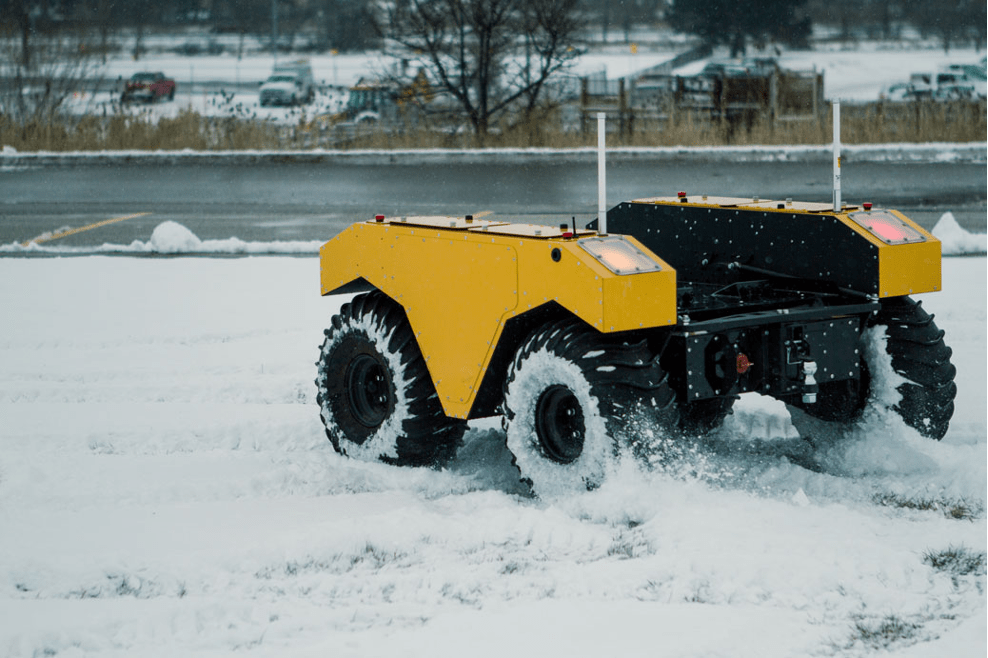
A possible feasible solution could be mobile robots that are autonomous straight out-of-the-box. Still, most of these robots do need modifications to carry the heavy battery pack and withstand the cold Arctic temperatures. Indeed, building an autonomous system for mobility in the Arctic is as challenging as designing a rover for comets and asteroids.
Seeing the bigger picture
So far, I’ve found that while Arctic mobile platforms and space rovers may look like they are from different worlds, they are more closely related than they appear. As a matter of fact, much of the rationale behind designing space rovers is also valid for building an autonomous vehicle suitable for the Arctic. Most technological innovations envisioned for space exploration can also be successfully applied on our planet, significantly improving our daily lives, and tackling pressing issues such as global warming.
If we apply the same advanced technologies used in space exploration to fight climate change, I believe we can mitigate its impact. Often, solving a problem requires taking a step back and looking at it from a certain distance – in this case, from space.